
Comfort at home isn’t just about setting a thermostat and forgetting it. It’s about creating a system that works efficiently, adapts to your needs, and performs reliably year-round. Many homeowners don’t realize how much energy is lost through poor planning, outdated equipment, or inconsistent maintenance.
The good news is that improving home comfort doesn’t always require a complete overhaul. With the right approach, you can make smarter decisions that lower energy costs, improve performance, and extend the life of your equipment.
This guide breaks down practical ways to approach heating, cooling, and efficiency from every angle so your home stays comfortable no matter the season.
Understanding How Your Home Stays Comfortable Year-Round
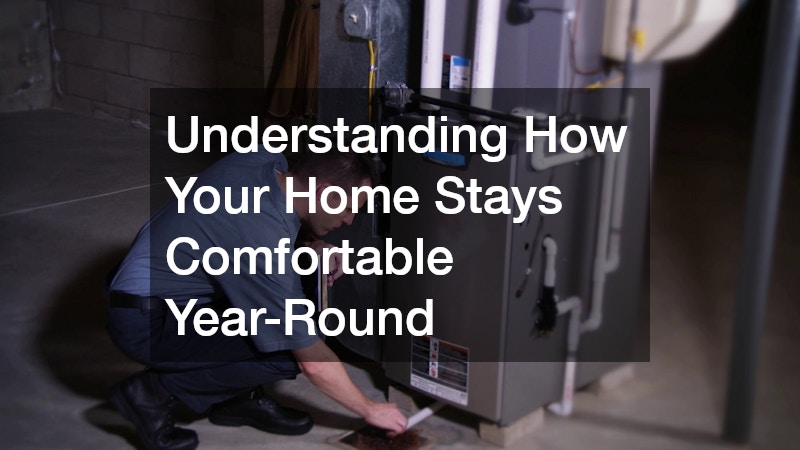
Every home relies on a combination of systems working together to maintain a stable indoor environment. A properly functioning Heating system is just one piece of the puzzle. Airflow, insulation, and ventilation all play a role in how effectively your home retains warmth or stays cool.
Key factors that impact comfort:
-
Insulation levels in walls and attic spaces
-
Air leaks around windows and doors
-
Vent placement and airflow balance
Signs your system isn’t performing well:
-
Uneven temperatures between rooms
-
Frequent cycling on and off
-
Higher-than-normal energy bills
Why this matters:
-
Poor efficiency leads to unnecessary strain on equipment
-
Small inefficiencies can compound into larger issues over time
Understanding how your home functions as a system helps you identify where improvements will have the biggest impact. This whole-home perspective reveals how insulation, ventilation, windows, and mechanical systems interact—so you can target upgrades that address root causes rather than just symptoms. By viewing your home as an interconnected system, you’re more likely to invest in solutions that yield long-term benefits, like improved comfort, lower utility bills, and greater durability for your equipment.
Choosing the Right Setup for Your Home
Selecting the right system is not a one-size-fits-all decision. Working with an experienced air conditioning and heating company ensures your setup is tailored to your home’s specific needs.
Factors to consider:
-
Square footage and layout
-
Ceiling height and insulation quality
-
Local climate conditions
Benefits of a tailored approach:
-
Improved efficiency
-
Better temperature control
-
Reduced wear on equipment
Common mistakes to avoid:
-
Choosing equipment based only on price
-
Oversizing or undersizing systems
-
Ignoring long-term operating costs
A well-matched system performs better and saves money over time. When your heating and cooling system is properly sized and tailored to your home’s unique needs, it runs more efficiently, experiences less wear and tear, and delivers consistent comfort throughout every room. This thoughtful approach minimizes the risk of costly repairs, reduces energy consumption, and extends the lifespan of your equipment—protecting your investment for years to come.
Planning for Efficient Cooling from the Start
When it comes to cooling, proper installation is just as important as the unit itself. A professional ac installation service ensures your system is set up for optimal performance from day one.
What to plan for:
-
Proper sizing based on your home’s needs
-
Placement of indoor and outdoor components
-
Ductwork design and condition
Questions to ask before installation:
-
What efficiency rating is recommended?
-
How will airflow be managed throughout the home?
-
What maintenance will be required?
Why installation matters:
-
Poor installation can reduce efficiency significantly
-
Even high-quality systems underperform when installed incorrectly
Taking the time to plan ensures your cooling system works as intended. A thoughtful planning process allows for proper sizing, strategic placement, and integration with your home’s other systems, which helps maximize efficiency and comfort. It also reduces the likelihood of costly mistakes or performance issues down the road. By investing in careful preparation before installation, you set the stage for years of reliable, trouble-free cooling that adapts to your household’s unique needs.
Exploring Flexible Cooling Options for Modern Homes
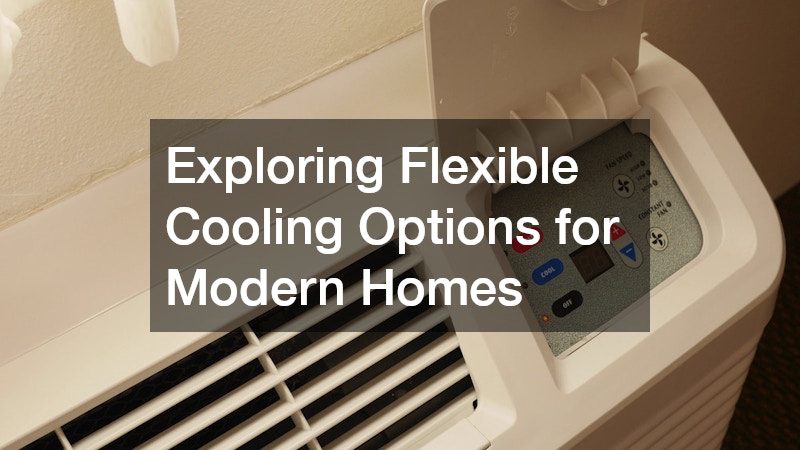
Not every home is suited for traditional systems. In some cases, mini split ac installation offers a flexible and efficient alternative.
When this option works best:
-
Older homes without existing ductwork
-
Additions or converted spaces
-
Areas that need independent temperature control
Advantages:
-
Energy-efficient operation
-
Zoned cooling for different areas
-
Minimal disruption during installation
Things to consider:
-
Placement of indoor units
-
Initial installation cost
-
Maintenance requirements
This type of system provides flexibility while improving overall efficiency. Mini split systems can be tailored to cool specific rooms or zones, reducing energy waste and allowing for personalized comfort throughout your home. Their compact design also makes them ideal for challenging spaces where traditional ductwork isn’t feasible, and the quiet operation adds to overall comfort. In many cases, these systems can also be integrated with smart controls, making it easier to manage temperature settings and further optimize energy use.
Maintaining Your Cooling System for Peak Performance
Regular upkeep is essential for keeping your system running smoothly. Scheduling routine AC services helps prevent breakdowns, maintains efficiency, and ensures that small problems are caught early—before they become costly repairs. Proactive maintenance can also help extend the lifespan of your equipment, improve indoor air quality, and keep energy consumption in check. Ultimately, making upkeep a priority means you’ll enjoy consistent comfort, fewer disruptions, and greater peace of mind throughout the year.
Simple maintenance tasks:
-
Replace air filters regularly
-
Keep outdoor units free of debris
-
Check vents for obstructions
Professional servicing includes:
-
Cleaning internal components
-
Checking refrigerant levels
-
Inspecting electrical connections
Signs maintenance is needed:
-
Reduced airflow
-
Unusual noises
-
Inconsistent cooling
Consistent maintenance extends the life of your system and keeps energy costs in check. Regularly servicing your equipment helps catch small issues before they become major repairs, improves overall system reliability, and maintains optimal performance. In addition, a well-maintained system improves indoor air quality and ensures your home remains comfortable year-round. This ongoing care not only saves money on repairs and utilities but also offers peace of mind knowing your system is always ready when you need it most.
Keeping Your Heating System Reliable in Colder Months
Cold weather puts extra demand on your system. Addressing issues early with heating repair can prevent major disruptions when you need warmth the most. Timely attention helps your heating system run more efficiently, reduces the risk of unexpected breakdowns, and extends the lifespan of your equipment. Early repairs also allow you to catch minor problems before they escalate, saving money on bigger fixes and ensuring steady comfort throughout the coldest months. Partnering with a trusted professional for seasonal checkups adds another layer of reassurance, keeping your home cozy and your peace of mind intact.
Common problems to watch for:
-
Uneven heating
-
Strange noises during operation
-
Rising energy bills
When to repair vs. replace:
-
Frequent repairs may indicate aging equipment
-
Newer systems often benefit from simple fixes
Preventive tips:
-
Schedule inspections before winter
-
Replace filters regularly
-
Keep vents clear
Staying ahead of issues ensures your home remains comfortable during colder months. Proactive maintenance and timely repairs help prevent unexpected breakdowns and extend the lifespan of your heating system. This approach also improves energy efficiency, keeps your family safe, and gives you peace of mind knowing you’re prepared for whatever winter brings. Regular attention to your heating setup means fewer disruptions and a consistently warm, welcoming environment all season long.
Understanding Fuel Options and What Works Best

Different homes rely on different fuel sources, and each has its own advantages. Heating oil remains a popular option in many areas, providing steady and reliable heat output that is well-suited to colder climates. Kerosene service can provide an alternative depending on system design, and is often chosen for its cleaner-burning properties and suitability for certain types of furnaces or space heaters. When evaluating fuel sources, it’s important to consider factors such as local availability, storage requirements, fuel efficiency, cost stability, and environmental impact. Consulting with a heating professional can help you assess which option best fits your home’s system and long-term comfort needs.
Key considerations when choosing fuel:
-
Availability in your area
-
Cost fluctuations
-
Storage requirements
Pros of fuel-based systems:
-
Reliable heat output
-
Suitable for colder climates
Things to keep in mind:
-
Regular delivery scheduling
-
Proper storage for safety
-
Maintenance requirements
Choosing the right fuel source helps balance cost, efficiency, and reliability. Each option—whether heating oil, kerosene, or another fuel—has its own set of advantages and drawbacks that should be considered in the context of your home’s system, local climate, and long-term plans. Comparing fuel performance, availability, environmental impact, and potential for price fluctuations can help you select the most practical and sustainable option for your needs. Consulting with a professional ensures your system is compatible and that you’re making the best choice for comfort, safety, and future flexibility.
Improving Efficiency Through Proper System Care
Routine HVAC service is one of the most effective ways to improve overall efficiency. Regular inspections help catch performance-impacting issues early—such as worn parts, refrigerant leaks, or airflow problems—before they lead to expensive repairs or system failures. Preventive maintenance also ensures your equipment is running at peak performance, which can lower energy bills, extend the lifespan of your system, and contribute to healthier indoor air quality. By making service a priority, you’ll enjoy greater reliability, comfort, and savings throughout the year.
What a full service typically includes:
-
System diagnostics
-
Cleaning and calibration
-
Identifying worn components
Benefits of regular servicing:
-
Lower energy bills
-
Fewer unexpected breakdowns
-
Longer equipment lifespan
How often to schedule service:
-
At least once a year for each system
-
More frequently for older equipment
Consistent care keeps your system running efficiently and reliably. By sticking to a regular maintenance schedule, you help prevent unexpected breakdowns and costly repairs. Routine attention also means your system can operate at peak performance, use less energy, and maintain better indoor air quality. Ultimately, investing a little time in consistent care pays off with lower bills, fewer disruptions, and a more comfortable home environment year-round.
Addressing Hidden Issues That Affect Performance
Some efficiency problems are not immediately visible. Ventilation and exhaust systems play a crucial role in overall performance, especially in heating setups. Blocked, damaged, or improperly sized vents can restrict airflow, cause backdrafts, or allow dangerous gases to accumulate indoors. Similarly, exhaust systems that aren’t functioning properly may contribute to poor air quality and reduced heating efficiency. Regular inspection and maintenance of these systems are vital for both safety and performance.
Chimney relining is often necessary to ensure proper ventilation and safe operation. A new liner can improve draft, protect against heat and corrosion, and prevent harmful gases—such as carbon monoxide—from seeping back into your living space. Investing in professional assessment and timely upgrades safeguards your home and maximizes heating system efficiency.
Why this matters:
-
Prevents harmful gases from entering your home
-
Improves system efficiency
-
Extends the life of heating equipment
Signs there may be an issue:
-
Smoke or odors inside the home
-
Poor heating performance
-
Visible wear in chimney structures
When to seek help:
-
During routine inspections
-
If performance drops unexpectedly
Addressing these hidden factors improves both safety and efficiency. Proactively checking for issues with ventilation, exhaust, and hidden leaks can prevent hazardous situations like carbon monoxide buildup or fire risks. It also ensures that your heating and cooling systems aren’t working harder than necessary, which can lead to lower energy bills and extended equipment life. Regularly reviewing these less-visible components of your home’s infrastructure helps maintain a healthier indoor environment and provides greater peace of mind for you and your family.
Building a Long-Term Strategy for Comfort and Savings
Creating a long-term plan ensures your home remains comfortable and efficient as needs change. Working with a reliable air conditioning and heating company can help you stay ahead of future upgrades.
Steps to build a strategy:
-
Schedule regular maintenance
-
Budget for eventual replacements
-
Monitor system performance
Incorporating new technology:
-
Smart thermostats for better control
-
Energy-efficient upgrades
-
Zoned systems for improved comfort
Why planning ahead matters:
-
Reduces unexpected costs
-
Improves system longevity
-
Keeps your home comfortable year-round
A proactive approach ensures your home continues to meet your needs over time. This mindset helps you anticipate potential problems and address them before they escalate, leading to fewer emergencies and more predictable expenses.
Maintaining a comfortable home requires more than occasional adjustments. It involves understanding how your systems work, making informed decisions, and maintaining consistency. Regular check-ups, timely upgrades, and a willingness to adapt as technologies evolve keep your home running smoothly and efficiently.
By taking a proactive approach and focusing on efficiency, homeowners can reduce costs, improve performance, and enjoy a more comfortable living environment year-round. Ultimately, this ongoing commitment not only boosts comfort and savings but also increases the long-term value and resilience of your home, ensuring it remains a welcoming place for years to come.