
Keeping a home comfortable throughout the year can become expensive, especially when heating and cooling systems are outdated, poorly maintained, or working harder than necessary. High utility bills are often blamed entirely on equipment age, but energy waste can come from many sources, including poor airflow, leaky ductwork, insufficient insulation, outdated controls, and systems that are not properly sized.
Before replacing major equipment, identify where comfort is being lost. Rooms that remain too hot or cold, long system run times, drafts, frequent breakdowns, poor humidity control, and unexpected increases in energy use can all provide useful clues. Paying attention to when these problems occur can also help narrow down the cause. A room that overheats only in the afternoon, for example, may have more to do with sun exposure or insulation than with the central system itself.
It can also be helpful to look at the home’s energy use over time. Compare utility bills from similar months, review past repair records, and note whether the system is running longer than it used to. Gradual changes are easy to overlook, but they may reveal declining performance before a complete breakdown occurs.
The best improvements are usually those that solve a specific problem rather than simply adding newer equipment. In some homes, maintenance and air sealing may produce noticeable savings. In others, replacing inefficient equipment or adding targeted climate control may provide greater long-term value. The right choice depends on the age of the system, the condition of the home, and how the space is actually used.
By evaluating the home as a complete comfort system, homeowners can prioritize improvements that reduce wasted energy while creating more reliable and consistent indoor temperatures. A thoughtful approach can also help avoid unnecessary upgrades and make it easier to focus spending on the changes that are most likely to improve comfort and efficiency.
Improve Existing Equipment Before Replacing It
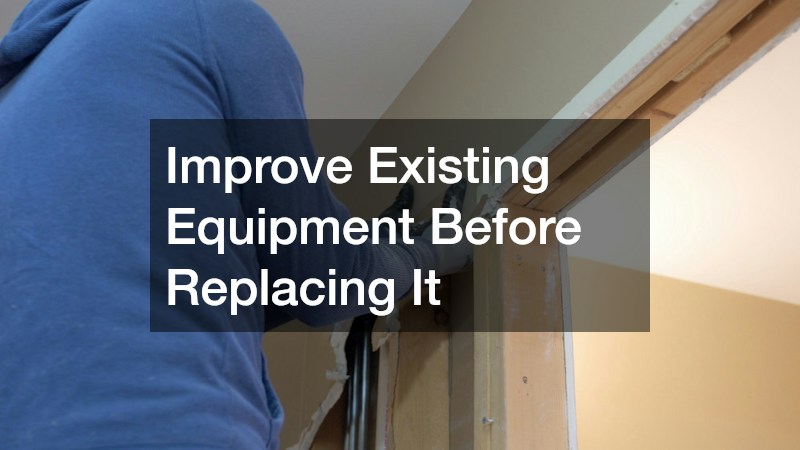
One of the easiest ways to overspend is replacing equipment before determining why it is performing poorly. A system that seems inefficient may still have years of useful life left if the actual problem is related to maintenance, airflow, controls, or another correctable issue.
A furnace or cooling system that runs longer than usual may be aging, but dirty components, restricted airflow, thermostat problems, or damaged ducts can produce similar symptoms. Even something as simple as a clogged filter or blocked return vent can force equipment to work harder and use more energy than necessary.
It is also important to pay attention to whether the problem affects the entire home or only certain rooms. Uneven temperatures may point to duct leaks, insulation gaps, closed vents, or poor air distribution rather than a failing system. Likewise, a sudden increase in utility costs may be caused by a mechanical issue that can be repaired without replacing the equipment.
Before making a major investment, look for patterns in system behavior and compare them with previous seasons. Note changes in run time, airflow, noise, humidity, and energy use. A thorough evaluation can help separate normal wear from a repairable problem and make it easier to decide whether maintenance, repair, or replacement offers the best value.
Start with basic checks:
- Inspect air filters.
- Make sure supply and return vents are unobstructed.
- Review thermostat settings.
- Clear leaves and debris from outdoor equipment.
- Look for visible duct damage.
- Listen for unfamiliar sounds.
A clogged filter can restrict airflow enough to increase system strain. Furniture placed over a return vent can create similar problems. Outdoor equipment surrounded by vegetation may also have difficulty exchanging heat efficiently.
Watch for changes such as frequent cycling, weak airflow, uneven temperatures, excessive humidity, or rising utility bills.
HV AC contractors can evaluate components that homeowners cannot safely inspect themselves, including electrical connections, refrigerant levels, blower performance, controls, burners, and airflow.
When comparing HVAC companies, ask whether they can perform an efficiency-focused evaluation rather than simply looking for a failed part.
Useful questions include:
- Is the equipment properly sized?
- Is airflow within the expected range?
- Are ducts contributing to comfort problems?
- Is the thermostat working correctly?
- Are components showing excessive wear?
Maintenance can sometimes extend equipment life considerably. Cleaning coils, repairing ducts, correcting airflow, and replacing worn parts may restore acceptable performance without a full replacement.
Track energy bills after repairs as well. Comparing similar months can help determine whether the work made a meaningful difference.
The goal is not to keep old equipment indefinitely. It is to determine whether the system actually needs replacement or whether a smaller correction can restore efficiency.
Size New Cooling Equipment for the Home
When replacement becomes necessary, equipment capacity matters just as much as efficiency ratings.
A larger system is not automatically better. Oversized cooling equipment may reach the thermostat setting quickly and shut down before completing a full cycle. This can contribute to poor humidity control, temperature swings, and additional wear.
An undersized system can have the opposite problem, running continuously during hot weather while struggling to maintain comfort.
That is why ac contractors should evaluate the actual cooling load rather than simply matching the capacity of the old system.
Important factors include:
- Square footage
- Ceiling height
- Insulation
- Window exposure
- Air leakage
- Local climate
- Number of occupants
- Duct condition
Renovations can also change a home’s cooling requirements. New insulation or windows may lower demand, while an addition or finished attic can increase it.
A complete ac installation proposal should clearly explain what is included beyond the equipment itself.
Review whether the estimate covers:
- Labor
- Electrical modifications
- Thermostat replacement
- Drainage
- Duct adjustments
- Removal of old equipment
- Permits
- Warranty coverage
Ductwork should be evaluated at the same time. High-efficiency equipment cannot perform properly if conditioned air is leaking into an attic, crawl space, or wall cavity.
Air sealing and insulation improvements can also reduce cooling demand. Completing those upgrades before sizing a new system may allow smaller equipment to handle the home effectively.
Ask installers how they calculated the recommended capacity. Homeowners should also compare estimated operating costs rather than looking only at purchase price.
The best cooling upgrade is one that matches the home, climate, and household needs while operating efficiently across both mild and extreme conditions.
Reduce Winter Heat Loss Before Upgrading Equipment
Heating costs often rise gradually, so it can be difficult to notice when a system is becoming less efficient.
Pay attention to:
- Longer heating cycles
- Cold rooms
- New noises
- Unusual odors
- Frequent cycling
- Rising fuel or electric bills
A Heating repair service may restore performance when the issue involves worn motors, burners, controls, electrical components, or airflow restrictions.
However, heating equipment should not be evaluated separately from the building.
Heat escaping through the attic, poorly sealed windows, worn weatherstripping, or uninsulated ducts can force even efficient equipment to run longer.
Consider improvements such as:
- Adding attic insulation
- Sealing air leaks
- Replacing damaged weatherstripping
- Sealing penetrations
- Improving duct insulation
- Adjusting thermostat schedules
When new equipment is being considered, heating contractors should evaluate the home’s actual heat loss instead of simply replacing the previous unit with the same capacity.
Oversized equipment may cause short cycling and temperature swings. Undersized equipment may struggle during the coldest weather.
Review the system’s repair history as well. One major repair on an otherwise reliable unit may be reasonable, while several expensive failures over a short period may justify replacement planning.
Equipment age, parts availability, energy costs, and previous repair expenses should all be considered together.
Preseason maintenance is also valuable. It allows problems to be identified before the heating system is needed continuously and often provides greater scheduling flexibility than waiting for a midwinter breakdown.
Improving winter efficiency usually requires a combination of reliable equipment, good airflow, appropriate controls, and a home that does a better job retaining heat.
Target Rooms That the Main System Cannot Handle Efficiently
Some homes have individual rooms or areas that remain uncomfortable even when the central system performs well elsewhere.
Common examples include:
- Finished attics
- Converted garages
- Sunrooms
- Home additions
- Upstairs bedrooms
- Offices
- Workshops
- Basement living areas
Changing the thermostat for the entire house just to correct one uncomfortable room can waste energy. For example, cooling every room several additional degrees to make one upstairs office comfortable may result in unnecessary system operation.
A mini split can be useful in spaces that are difficult to reach with existing ductwork. These systems can provide independent temperature control without requiring extensive duct modifications.
Potential benefits include:
- Zone-specific heating and cooling
- Reduced conditioning of unused areas
- Flexible installation
- Independent temperature settings
- Heating and cooling from one system
Correct sizing is still important. An oversized unit may cycle too frequently, while an undersized system may operate constantly without maintaining the desired temperature.
When comparing the best heating companies for this type of project, ask how the load for the room or zone was calculated.
Other questions include:
- Where should indoor units be placed?
- What outdoor temperatures can the equipment handle?
- Is electrical work required?
- Where will condensation drain?
- What maintenance is necessary?
The original problem should also be investigated. An uncomfortable room may have inadequate insulation, excessive solar exposure, air leaks, or insufficient airflow.
Adding equipment without addressing those issues may improve comfort while allowing avoidable energy loss to continue.
In some cases, modifying existing zoning or airflow may be more practical than installing separate equipment. The right solution depends on why the space is uncomfortable in the first place.
Protect Comfort Systems From Outages and Internal Wear
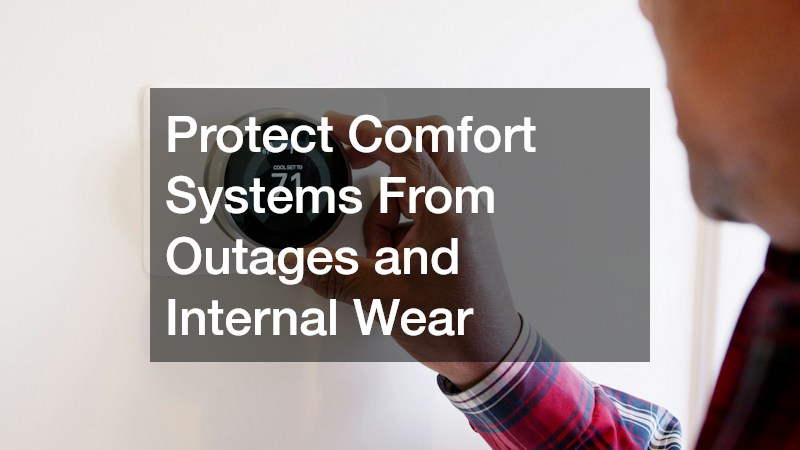
A home comfort system cannot operate efficiently if it lacks reliable power or its internal components are deteriorating.
Extended electrical outages can disable heating, cooling, pumps, refrigeration, and other equipment. Homes that depend heavily on electricity may benefit from backup power.
Generator installation can provide electricity to selected essential circuits or, with sufficient capacity, a larger portion of the home.
Before selecting equipment, identify what truly needs backup power.
Priorities may include:
- Heating equipment
- Refrigerators
- Well pumps
- Sump systems
- Medical equipment
- Essential lighting
- Communication equipment
Generator capacity should be based on actual electrical demand rather than simply choosing the largest model available.
Homeowners should also consider fuel source, placement, maintenance, noise, and safe transfer equipment. Proper electrical connections are important to prevent unsafe backfeeding.
Homes with hydronic heating have another maintenance concern: the condition of the water circulating through the system.
Boiler water treatment can help address problems such as corrosion, scale, and sludge that may reduce heat transfer or contribute to component wear.
Watch for signs including:
- Noisy operation
- Uneven radiator temperatures
- Frequent pressure changes
- Discolored system water
- Repeated need to bleed radiators
Water quality should be managed according to equipment manufacturer recommendations. Pumps, expansion tanks, valves, gauges, and controls should also be maintained because poor circulation can reduce efficiency even when the boiler itself is functioning correctly.
Backup power and system maintenance may not always provide direct monthly energy savings, but they help protect larger investments and reduce the likelihood of emergency repairs or extended loss of comfort.
Build a Long-Term Plan Around Real Energy Use

Lower energy costs usually come from combining several improvements rather than relying on one major purchase.
Start by identifying the specific problem you want to solve. High utility bills, uncomfortable rooms, humidity issues, frequent breakdowns, and unreliable power may each require a different approach.
Review factors such as equipment age, repair history, monthly energy consumption, insulation levels, air leakage, and household usage patterns before committing to a major upgrade.
Replacing equipment should usually come after determining whether the house itself is contributing to excessive heating or cooling demand. New high-efficiency equipment may provide less benefit than expected when conditioned air continues escaping through leaks or poorly insulated areas.
Whenever possible, compare multiple written proposals for major projects. Look beyond upfront price to warranties, expected operating costs, maintenance requirements, and exactly what work is included.
Smaller improvements may sometimes provide better value. Air sealing, duct repairs, thermostat adjustments, maintenance, or targeted climate control can solve specific comfort problems without requiring full system replacement.
Planning improvements before peak summer or winter demand also gives you more time to research options and avoid rushed decisions after equipment fails.
The goal is not simply to buy newer technology. It is to create a home that uses energy more effectively while maintaining dependable comfort.
By considering how the building and its mechanical systems work together, homeowners can reduce unnecessary energy use, improve reliability, and make the house more comfortable throughout the year.