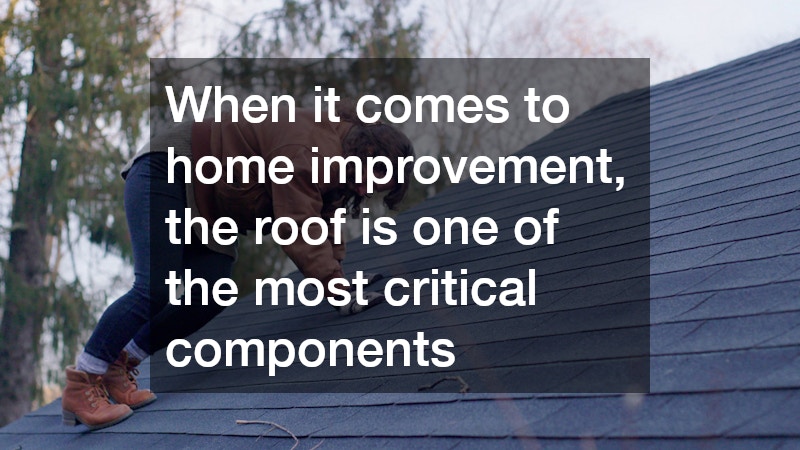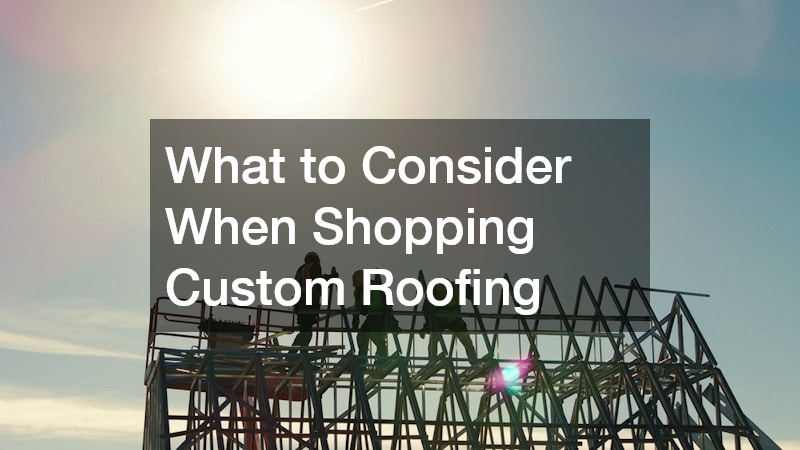
When it comes to home improvement, the roof is one of the most critical components. Not only does it serve as your home’s primary protection against the elements, but it also significantly impacts the overall aesthetic and energy efficiency of your residence. Choosing a custom roofing solution can enhance both the functionality and appearance of your property. Understanding the various factors and considerations in selecting custom roofing can lead to a better investment and long-term satisfaction.
Moreover, custom roofing can offer improved durability and energy efficiency compared to traditional options. With advancements in roofing technology, various materials are now available that offer better insulation, reducing energy costs and improving indoor comfort. Additionally, custom roofs can be designed to accommodate additional features such as solar panels, further enhancing their efficiency and sustainability.
Material and Design Selection
Choosing the right material for your custom roof is one of the most critical decisions you will make. Materials like asphalt, metal, and tile each have their own advantages and drawbacks. Asphalt shingles, for example, are cost-effective and versatile, whereas metal roofs are known for their durability and energy efficiency. Similarly, tile roofs offer superior weather resistance and a classic aesthetic, although they may require a more substantial investment.
The design of your custom roof is equally important as the material. The architecture of your home should harmonize with your roofing choice to achieve the desired look and functionality. Custom designs range from traditional gabled or hipped roofs to more modern and unique structures like butterfly or green roofs. It’s essential to consult with a skilled architect or roofing specialist to ensure your design is not only beautiful but also structurally sound.
Once the material and design are chosen, the color and finish can further personalize your custom roof. Roofing color can play a significant role in energy efficiency, as lighter shades tend to reflect more sunlight, keeping interiors cooler. Additionally, finishes such as gloss or matte can affect the appearance and maintenance requirements of your roof. Selecting the right combination of color and finish can result in a custom roofing solution that complements your home beautifully.
Budget and Cost Considerations
Budgeting is a crucial step in any custom roofing project. It’s important to understand the range of costs associated with different materials and designs. Less expensive options, such as asphalt, may fit a tight budget yet offer less durability than pricier choices like metal or tile. However, it’s essential to consider the long-term cost benefits of investing in more durable materials that could save money on repairs and maintenance over time.
Aside from material costs, installation and labor fees will also impact your budget. Custom roofing often requires skilled labor, which can elevate installation costs compared to standard roofing solutions. Homeowners should obtain estimates from multiple contractors to ensure they receive a fair price for the installation of their custom roof. Remember, the cheapest option isn’t always the best; quality workmanship should also factor into your budgeting considerations.
It is also worth considering financing options if your custom roofing project exceeds your initial budget. Many roofing companies offer payment plans or financing solutions to help spread the cost over time. By weighing all these financial aspects, from material to labor costs, homeowners can make informed decisions that balance immediate expenses with long-term savings and benefits.
Durability and Maintenance
Durability is a key factor in choosing custom roofing, particularly in areas prone to harsh weather conditions. Materials like metal and tile are renowned for their longevity and resistance to environmental factors like wind, rain, and UV radiation. While initially more expensive, these materials can provide peace of mind by reducing the frequency and cost of repairs over time. It’s also beneficial to consider warranties offered by manufacturers and contractors, as they can be indicative of the confidence in the material’s durability.
Custom roofing designed to reduce maintenance needs can further enhance the value of the investment. Selecting self-cleaning materials or those treated to resist moss and algae growth can significantly diminish upkeep. Furthermore, incorporating gutter systems or overhangs that protect against water damage can prolong your roof’s life. Therefore, consider the long-term maintenance requirements and benefits when deciding on your custom roofing project.
Environmental and Energy Efficiency
As environmental concerns continue to grow, selecting an eco-friendly custom roofing option can significantly impact your home’s sustainability. Utilizing materials such as cool roofs, which reflect more sunlight and absorb less heat, can reduce your home’s energy consumption drastically. This not only benefits the environment but also cuts down on energy bills, making custom roofing an attractive option for the environmentally-conscious homeowner.
Another consideration is the integration of renewable energy solutions like solar panels. Custom roofs can be designed to accommodate and optimize the installation of solar technology, thus maximizing energy production. Implementing such advancements can transform your roof into a renewable energy source, helping reduce your carbon footprint while also enhancing your home’s energy independence.
Custom roofing solutions that incorporate recycled materials can also contribute to sustainability. Recycled metal or synthetic shingles are environmentally-friendly alternatives that offer durability and aesthetics comparable to traditional materials. By choosing these sustainable options, homeowners contribute positively to reducing waste and conserving natural resources, aligning with broader environmental goals.