
There is a distinct, sinking feeling that every property owner experiences at least once. It usually happens in the middle of a quiet evening or right before leaving for a long weekend. You hear a sudden, sharp hiss behind a wall, notice a dark halo creeping across the dining room ceiling, or step onto a basement carpet that yields a sickening squelch. In that single moment, your home ceases to feel like a haven and suddenly transforms into a financial sinkhole.
The tragic reality of modern home ownership is that true structural disasters rarely happen out of nowhere. They do not arrive like sudden lightning strikes on an otherwise clear day. Instead, they compound quietly over months or years. A tiny hairline crack in a pipe fitting drips three drops of water an hour until the underlying subfloor turns to mush. A subtle, high-pitched whine in an electrical panel gets ignored until a breaker melts its housing. A small patch of moisture in an unseen corner invites rot that quietly weakens a structural roof truss.
Most homeowners operate in a perpetually reactive state. They wait for something to break, panic, pay exorbitant emergency service rates, and then spend thousands more remediating secondary damage. But running a household does not have to feel like waiting for an inevitable disaster. By shifting your mindset from emergency firefighting to systematic, proactive property oversight, you can systematically catch failures while they are still cheap, manageable, and stress-free. Protecting your investment comes down to understanding how your home’s systems interact, recognizing early warning signs, and taking action before minor wear turns into a catastrophe.
Safeguarding Your Home’s Structural Envelope
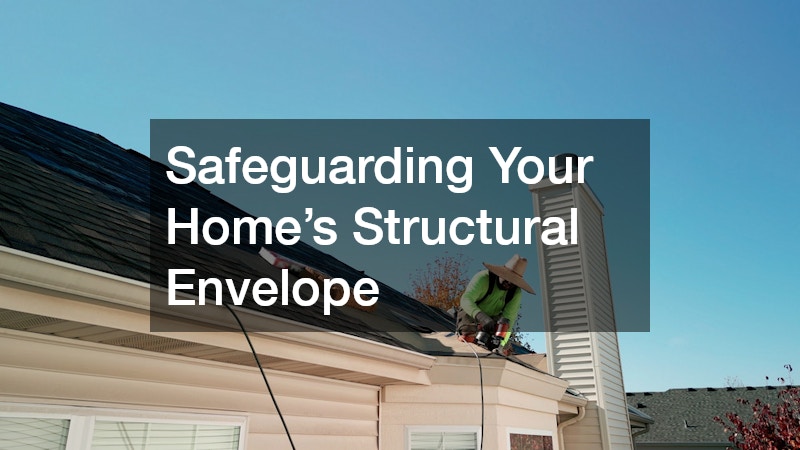
Consider the home as a sealed vessel designed to keep nature outside while regulating climate and comfort inside. The outer envelope—comprising your roof structure, non-living storage zones, and exterior ground surfaces—takes the brunt of every storm, freeze, and heatwave. When this envelope breaks down, every internal mechanical system suffers as a result.
Clearing Hidden Airway Obstructions and Sealing Thermal Leaks
The space directly beneath your roof deck acts as the primary buffer zone for your entire house. Yet, because it sits out of sight, it is often treated as a dumping ground for holiday decorations and old storage boxes. Over time, accumulated clutter obscures critical structural components, covers up subtle signs of roof leaks, and blocks the soffit vents designed to keep air moving. When air stops flowing through these spaces, trapped moisture condenses on the underside of the roof sheathing. During cold months, this leads to rot and ice dams; during warm months, it creates a breeding ground for toxic mold that degrades indoor air quality across the entire house.
A comprehensive annual audit requires rolling up your sleeves and clearing out the clutter. Scheduling a thorough attic cleaning allows you to inspect the underside of the roof deck for dark water stains, check that insulation remains dry and evenly distributed, and ensure that small animals have not chewed through your soffit screens. If you notice damp insulation or a musty odor, you are catching a roof leak months before it ruins your bedroom drywall.
Protecting Outdoor Surfaces From Water Intrusion and Freeze Cycles
While the top of your property envelope shields you from rain, the ground surfaces dictate how water moves away from your foundation. Paved surfaces like driveways and walkways seem indestructible, but water is an exceptionally patient enemy. Moisture sneaks into microscopic pores in the surface layer, settles beneath the structural base, and goes to work. During winter, that trapped water freezes and expands, cracking the surface from below. When spring arrives, runoff washes away the loosened sub-base, creating hollow voids beneath the heavy top layer.
Water intrusion follows a predictable path of destruction: micro-cracks form on the surface, allowing moisture to penetrate beneath the pavement. Freezing temperatures expand this water, which eventually washes out the underlying sub-base and causes the surface to collapse into sinkholes.
Ignoring these early surface fractures sets off a chain reaction that destabilizes nearby foundation walls and destroys expensive hardscaping. A single season of neglected water pooling can turn a minor surface repair into a massive structural overhaul requiring full asphalt driveway paving to reset the grade and restore structural integrity. To prevent this, walk your driveway every autumn with a wire brush and a tube of high-grade rubberized asphalt sealant. Sealing cracks while they are smaller than a quarter-inch prevents water from ever reaching the vulnerable sub-base layer beneath.
Managing High-Damage Water and Plumbing Systems
Water damage is uniquely destructive because it moves silently through hidden cavities, weakening timber, destroying insulation, and ruining finishes long before it shows up on a living room wall. Managing your home’s water lines requires catching minor pressure anomalies and slow leaks before they escalate into sudden wall bursts or sewage backups.
Catching Silent Drainage Blockages Before Backups Occur
Main sewer lines and waste pipes rarely fail without giving off advance warning. Long before wastewater backs up through a basement floor drain, your plumbing system sends clear signals that its interior diameter is shrinking. You might hear an odd gurgling sound from the toilet when the washing machine drains, or notice that water in the shower pools around your ankles just a little longer than it used to.
-
Early Signal: Slow draining sinks and faint gurgling sounds in lower pipes.
-
Moderate Warning: Multiple fixtures draining slowly; foul odors from basement drains.
-
Severe Danger: Water backing up into showers when flushing toilets.
-
Critical Failure: Complete main-line blockage causing active sewage backup.
Chemical drain openers bought at the grocery store offer a false sense of security. These harsh caustic agents generate heat that can warp PVC pipes or corrode older cast iron, all while eating a small, temporary hole through the clog rather than fully clearing the pipe wall. Tree roots, grease, and non-flushable debris continue to collect around that small hole until the line shuts down completely. Investing in a professional drain cleaning service every few years uses mechanical augers or high-pressure hydro-jetting to restore the full interior diameter of your pipes. This simple preventive step eliminates the risk of an unexpected, highly unsanitary sewer backup.
Protecting Heavy-Demand Hot Water Systems From Unexpected Failure
Your home’s water heating equipment operates under continuous thermal stress and water pressure, twenty-four hours a day. Over time, dissolved minerals in your municipal or well water supply bake out of suspension and settle at the bottom of the tank. This layer of sediment acts as an insulating blanket between the heat source and the water, forcing the system to run longer and hotter to achieve the same output.
If you hear popping or rumbling noises coming from the unit, that is the sound of trapped water boiling beneath a heavy layer of mineral sludge. Left unaddressed, this extra thermal stress cracks the internal glass lining of the tank, causing sudden structural failure that can dump fifty gallons of water into your home in minutes.
Sediment buildup creates thermal insulation at the bottom of the tank, causing severe overheating. This excessive heat eventually cracks the protective internal glass lining, leading to structural rust and catastrophic tank rupture.
Flushing ten gallons of water from the bottom drain valve every six months removes this sediment before it hardens. Additionally, replacing the sacrificial anode rod every three to five years protects the steel tank from rust. If you notice weeping around the cold water inlet or thermal stress on the mechanical connections, arranging a prompt water heater repair can address minor components—such as a failing temperature-and-pressure relief valve—before a catastrophic tank rupture ruins surrounding floors and walls.
Auditing Core Mechanical and Electrical Infrastructure
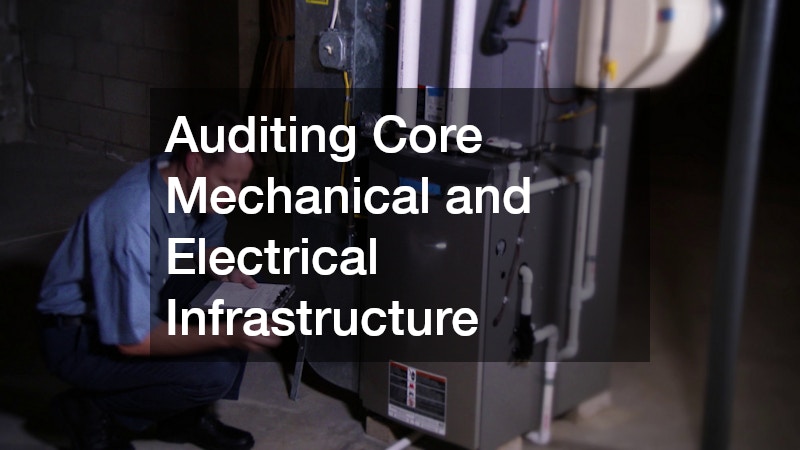
Modern homes rely on complex networks of electrical wiring and pressurized supply lines hidden behind finished drywall. Because these systems are out of sight, they are easy to take for granted—until an electrical arc starts a fire or a high-pressure line fitting blows out.
Modernizing Power Loads to Stop Hidden Electrical Risks
The electrical demands of the average modern household have grown exponentially over the past two decades. Between high-draw kitchen appliances, large air conditioning units, EV chargers, and endless consumer electronics, older electrical panels are routinely pushed to their absolute thermal limits.
Electrical systems rarely fail silently; they leave clear clues that demand immediate attention:
-
Switches or wall outlets that feel warm to the touch after use.
-
Lights that dim noticeably whenever the refrigerator or air conditioner compressor kicks on.
-
Circuit breakers that trip repeatedly under normal, everyday household use.
-
Faint humming, buzzing, or clicking noises coming from inside the main panel.
-
Discolored or scorched outlet faceplates.
These symptoms point to loose terminal connections, overloaded circuits, or internal insulation degradation. Ignoring these warnings creates an active fire hazard behind your walls. Hiring licensed electricians to perform an annual thermal inspection of your main service panel ensures that all breaker connections are torqued correctly and that your system safely handles your daily power consumption without dangerous overheating.
Auditing Whole-House Water Infrastructure and Valve Reliability
Beyond waste lines and water heaters, the core supply pipes running through your home are subjected to constant municipal water pressure that fluctuates throughout the day and night. High water pressure—anything over 80 pounds per square inch—feels great in the shower, but it subjects every valve, flexible supply line, and pipe joint in your home to dangerous stress.
When municipal pressure spikes beyond 80 PSI, it places continuous stress on internal pipe joints and valve seals. Over time, these seals weaken and eventually fail, resulting in sudden pipe ruptures behind finished drywall.
To guard against sudden pipe blowouts, install a inexpensive water pressure gauge on an outdoor hose bib to verify that your pressure regulator valve is working correctly. Furthermore, walk through your property twice a year to physically turn every main shut-off valve under sinks, behind toilets, and at the main water entrance. Shut-off valves that sit untouched for years freeze in place due to mineral buildup, leaving you unable to stop the flow of water when an emergency leak occurs. Partnering with a licensed plumbing company to audit your incoming pressure, test your main shut-off hardware, and replace aging braided rubber supply lines with durable stainless-steel sleeves is one of the highest-return investments you can make in long-term risk reduction.
Maintaining Heavy Moving Systems and Essential Major Appliances

The dynamic, mechanical elements of your home—the systems with motors, high-tension springs, compressors, and moving parts—experience more physical wear and tear than any static structural wall or window. When these moving assemblies fail, they can trap your vehicles, destroy expensive clothing, or cause costly water damage.
Maintaining High-Tension Overhead Entry Systems
Your garage door is almost certainly the largest, heaviest moving object in your entire home. It relies on a system of high-tension counter-balance springs to offset hundreds of pounds of dead weight, allowing a modest electric motor to lift the door smoothly along its tracks. Because these springs cycle through immense physical tension every time you open or close the door, they suffer from metal fatigue over time.
A failing spring system reveals itself through subtle warning signs:
-
The electric opener sounds like it is straining or moving much slower than usual.
-
The door falls quickly instead of staying in place when raised manually halfway up the track.
-
You observe visible gaps or slight separations in the steel coils of the overhead spring.
-
The door squeaks, jerks, or binds along the side tracks during operation.
When a tension spring snaps, it releases its stored kinetic energy all at once with a sound like a gunshot. If this happens while a vehicle is underneath—or worse, while a family member is nearby—the resulting damage or injury can be severe. Because these components store lethal amounts of energy, performing regular visual checks and hiring a professional for timely garage door spring replacements prevents unexpected mechanical lockouts and keeps this heavy system operating safely.
As steel springs undergo continuous stress cycles, metal fatigue causes invisible micro-fractures. Once the coils separate, the spring suddenly releases its kinetic energy, snapping lifting cables and dropping the heavy door to the floor.
Keeping Essential Household Equipment Running Efficiently
Major household appliances operate at the intersection of water, electricity, and heavy mechanical motion. Consider your washing machine: its internal rubber hoses are pressurized continuously, its drum spins at over a thousand revolutions per minute, and its drain pump handles gallons of dirty, debris-laden water every cycle. Similarly, your refrigerator’s compressor runs continuously, pulling air across condenser coils that accumulate thick layers of dust, pet hair, and kitchen grease.
Dust accumulation restricts critical airflow across condenser coils, causing the compressor to overheat. This forces extended run cycles, accelerates component wear, and eventually leads to total motor failure.
When condenser coils get coated in grime, the compressor must work twice as hard to keep food cold, dramatically shortening its operational life and driving up your monthly electric bill. Pulling your refrigerator out once a year to vacuum those coils, replacing rubber washing machine fill hoses with braided steel lines every five years, and clearing lint build-up from your clothes dryer exhaust ducting prevents costly appliance breakages and keeps your daily routines running smoothly.
When an essential machine starts making unusual grinding noises or failing to reach set temperatures, scheduling targeted appliance repair early prevents a minor failed bearing or faulty seal from cascading into a burned-out motor or complete unit breakdown.
Minor Structural Upkeep to Stop Subfloor and Infrastructure Degradation
Some of the most expensive structural repairs in residential construction do not stem from dramatic roof collapses or shattered foundations. Instead, they come from microscopic gaps around plumbing fixtures, minor leaks behind tile walls, and unaddressed cosmetic damage that allows water to silently rot the underlying timber framework of the house.
Sealing Waterproof Barriers in High-Moisture Environments
Bathrooms are designed to handle thousands of gallons of water every year, but that protection depends entirely on the integrity of thin silicone caulk lines, grout joints, and surface glazes. Over time, building settling and normal expansion cycles create microscopic gaps in the caulk line where your bathtub meets the tile wall. Every time someone takes a shower, water running down the walls creeps into those small cracks, soaking into the backing board and dripping down onto the subfloor joists below.
Even microscopic gaps in tile sealant allow shower water to seep into wall cavities. This water saturates the backing board and drips down onto structural floor joists, causing silent wood rot and eventual floor sagging.
Because this water is hidden beneath tile and tub surrounds, it can rot out structural floor joists for years before the floor begins to feel spongy underfoot. Furthermore, minor surface chips or cracks in enamel and fiberglass fixtures allow water to breach the protective outer coating, leading to localized rusting, delamination, and deep material degradation. Taking time to inspect your fixtures, re-caulk seams with mold-resistant silicone, and arrange for timely bathtub repair when chips or deep surface cracks appear preserves the waterproof seal of your bathroom and saves you from four-figure subfloor restoration bills.
Building a Relationship With Multi-Trade Service Specialists
No homeowner can master every single trade required to maintain a modern property. While routine visual checks, basic cleaning, and minor caulking are well within the scope of DIY upkeep, knowing your limits is an essential part of responsible property management. Attempting complex structural, gas, or heavy electrical repairs without specialized tools and training often turns a minor issue into a major safety hazard.
The best time to find reliable tradespeople is before an emergency occurs. Trying to find a trusted service provider at two in the morning while water is pouring through your ceiling puts you at a massive disadvantage; you are forced to hire whoever answers the phone first, regardless of their reputation or pricing structure.
Under an emergency, reactive mindset, a pipe burst triggers panic, leading you to hire an unvetted contractor at premium rates for a quick patch. Conversely, a strategic, proactive mindset uses annual audits for early detection, letting you work with a trusted specialist at standard rates for lasting solutions.
Building an ongoing relationship with a reliable home repair company allows you to schedule routine inspections, get honest assessments of your home’s aging infrastructure, and address small maintenance items on a predictable schedule. A trusted partner will help you prioritize repairs based on actual risk rather than panic, keeping your maintenance budget predictable and your property secure.
Taking Control of Your Home’s Future
Preventing catastrophic home upkeep surprises does not require an advanced degree in building science or an endless budget. It simply demands a shift in perspective. Your home is not a static object that sits unchanged year after year; it is a dynamic, interconnected environment where small failures in one system gradually place stress on every other component around it.
When you take a structured, proactive approach to monitoring your property, you reclaim control over your environment. The time spent checking a roof space, inspecting an outdoor driveway, or testing a shut-off valve pays massive dividends in avoided stress, protected home equity, and long-term peace of mind.
Pick one major zone of your property this weekend. Walk through it slowly with a bright flashlight, a critical eye, and a notepad. Look for the faint signs of wear—the tiny drip, the faint rust spot, the hairline crack—that you may have walked past a dozen times before. By catching those minor issues today, you lock in a safer, drier, and far more affordable future for your home.